The rules that matter in Dubai are few: dress modestly in public places, keep affection low-key, drink only in licensed venues and only from age 21, and never carry drugs. The UK Foreign Office sums it up as respecting "local traditions, customs, laws and religions". British and US citizens both get a visa on arrival – free for British passport holders – valid for up to 90 days in any 180, with a passport valid for at least six months.
What are the 10 rules in Dubai for tourists?
These ten come from the UK Foreign Office's safety advice for the UAE, checked on 24 September 2026. They cover almost every situation a visitor meets.
- Dress modestly in public places – in areas such as shopping malls, women should cover shoulders and knees.
- Wear swimwear only on beaches or at pools, not in malls or on the street.
- Keep public affection minimal – it is "frowned upon", and you can be arrested for kissing in public.
- Don't swear or make rude gestures, including online and at other drivers.
- Drink only in licensed venues, and only from age 21 – drinking or being drunk in public is illegal.
- Carry no drugs at all – there is zero tolerance, including for residual amounts and some CBD products.
- Never drink and drive – it is illegal "no matter how small the amount".
- Ask before photographing people, and don't photograph military sites or some government buildings.
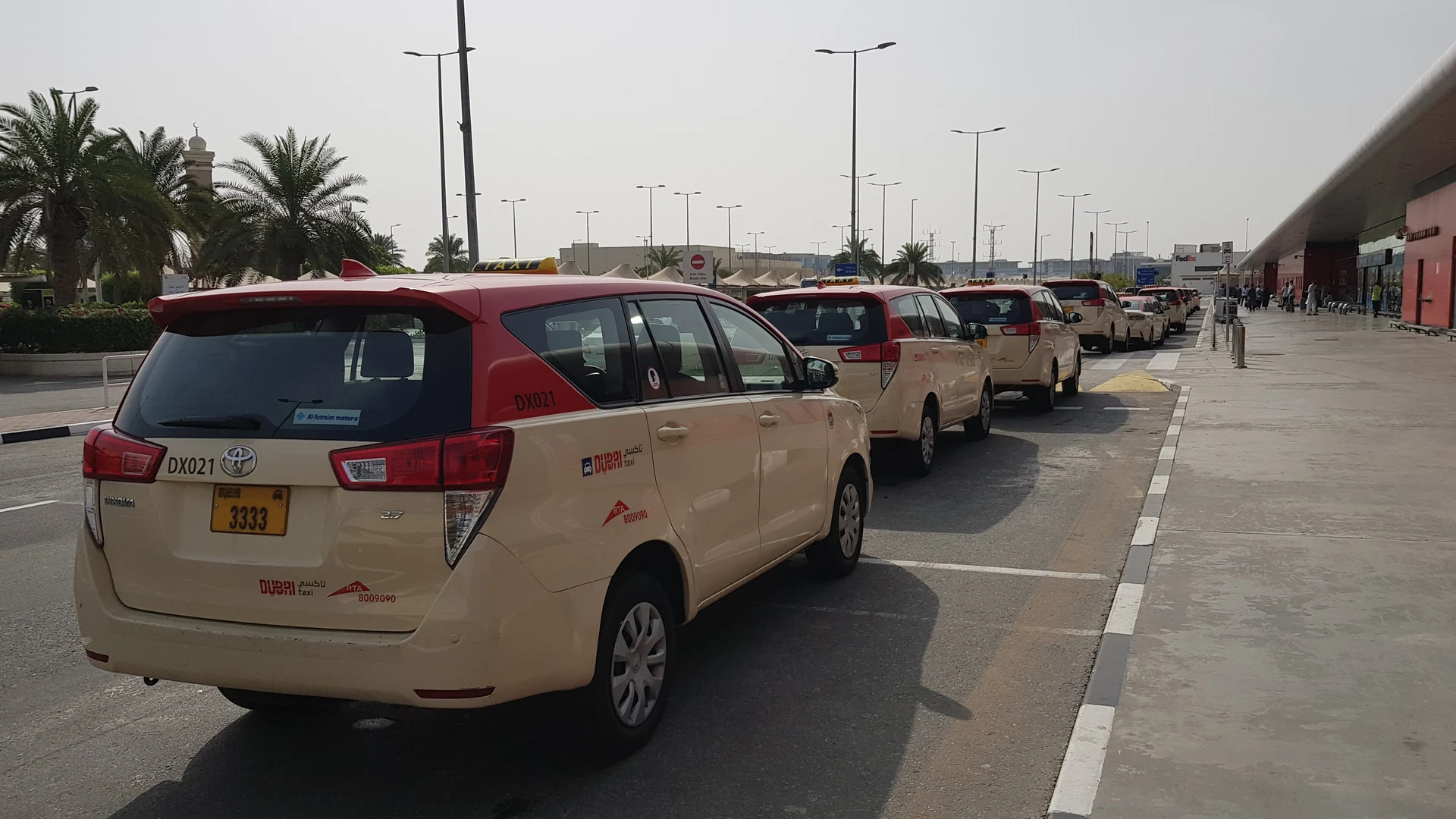
- Use licensed taxis or recognised apps such as Careem and Uber.
- Respect Ramadan – don't eat, drink, smoke or chew gum in public in the daytime.
Two more catch visitors out. Cross roads only at designated pedestrian crossings – the FCDO says crossing elsewhere is illegal and can bring a fine. And check your medicines before you pack them, because some need approval to bring in (see the entry section below).
The strictest rule is the drugs law. The FCDO says penalties apply even to residual amounts and to drugs in your bloodstream, and that some "herbal highs", CBD products and e-cigarette refills are illegal in the UAE. The FCDO puts it plainly: "There may be serious penalties for doing something that might not be illegal in the UK but is in the UAE."
The US State Department gives the same warning: the UAE has strict rules on social behaviour, drug possession, traffic violations, financial crimes and video recording of officials, the public, infrastructure or military activity, and breaking them "can lead to arrest, fines, or an exit ban".
Can unmarried couples share a hotel room or hold hands?
Yes, unmarried couples can share a hotel room – the UAE's 2020 legal reform allowed unmarried couples to live together, and our guide to where to stay in Dubai covers the hotel side in detail.
The FCDO's own wording is that consensual relationships between a man and a woman outside marriage "are generally legal if both are aged 18 or over", with one caveat: if a spouse or a parent or guardian files a criminal complaint, both people can face a prison sentence of six months or longer.
Public affection is a different matter. The FCDO says: "Showing affection in public is frowned upon. You can be arrested for kissing in public." It doesn't single out holding hands; its wording covers affection in public generally, so the practical course is to keep it low-key in malls, streets and on the beach.
Some venues spell it out. Global Village's code of conduct, for example, asks visitors to "avoid public display of affection" – see our Global Village guide for its other rules.
Can you drink alcohol in Dubai?
Yes, tourists can drink alcohol in Dubai if they're 21 or over, in licensed venues such as hotel bars, restaurants and pubs, according to the FCDO. It says liquor licences "are not required in Dubai to purchase and consume alcohol in licenced venues", and that it is illegal to drink or be under the influence of alcohol in a public place anywhere in the UAE.
- Buying to take away: outside licensed venues, alcohol is sold only by Dubai's two official distributors, MMI and African & Eastern, to licence holders. Tourists can get a temporary liquor licence valid for one month from either, for use in Dubai only.
- Private places: the FCDO says a licence is technically required to drink in private places such as homes or private parties.
- Driving: drink-driving is illegal at any level, and the FCDO warns your insurance is likely to be invalidated after an accident.
- Sharjah is dry: drinking or possessing alcohol is illegal in the emirate of Sharjah, 30 km north of Dubai.
What is the dress code?
The FCDO says to dress modestly in public areas like shopping malls: women should cover shoulders and knees, and underwear should not be visible. It also advises avoiding transparent clothing or clothes with imagery or phrases that could offend, and wearing swimwear only on beaches or at pools. Cross-dressing is illegal.
"Some venues, events or buildings may have specific dress codes," the FCDO adds – mosques are the obvious example. For what to pack by month, including beach, desert and mosque outfits, see our guide to what to wear in Dubai.
What is the 3000 dirham rule?
There is no official AED 3,000 entry requirement for British visitors that we could find. "The 3000 rule" in search results mixes up three different things:
- Tourist funds checks: The National reported on 25 May 2024 that Dubai airport officials were, "in some cases", asking for proof of at least AED 3,000 in cash or credit, a return ticket and a hotel booking or relative's address. The travellers it quoted included visit-visa passengers flying in from India, and the residency authority, the GDRFA, did not comment.
- A residency rule: a separate minimum-salary rule applies to UAE residents who sponsor family members on a residence visa. It doesn't apply to tourists.
- Offers: search results for "AED 3,000" hotel and leisure deals or vouchers are unrelated marketing.
Neither the FCDO's entry page for British citizens nor the UAE Embassy in Washington's page for US citizens lists a minimum-funds or hotel-booking requirement (both checked 24 September 2026). The embassy does require US citizens to hold a round-trip or onward ticket. It costs nothing to carry a bank card, your return booking and your hotel confirmation when you land.
What do you need to enter Dubai as a UK or US citizen?
On a full "British citizen" passport, you get a visitor visa free of charge when you arrive in the UAE – you don't need to apply in advance. The FCDO says it is stamped at immigration and "valid for up to 90 days over a 180-day period" from your first entry, continuous or split across visits. Overstaying can bring daily fines.
- Passport: it must be valid for at least six months after the date you arrive.
- Medicines: some medicines need approval from the UAE Ministry of Health before you travel; visitors can bring up to three months' supply, or one month's for medicines on the approval list.
- What you can't bring: the FCDO says it is illegal to bring pork products or pornography into the UAE, and that videos, books and magazines may be checked.
US citizens don't need to apply in advance either. The UAE Embassy in Washington says a visa "will be issued upon entry, allowing a maximum stay of 90 days non-renewable" within 180 days from your first entry (checked 24 September 2026). Your passport must be valid for at least six months beyond your arrival date.
The embassy also says you must hold "a round-trip airline ticket or confirmed ticket to another destination", and that overstaying is fined at AED 50 for each day beyond the 90 days.
On a layover, US citizens only need the visa if they leave the airport. The US State Department says "transit passengers only require a visa if exiting the airport" (country information page, 2 March 2026); if you do go into the city, the visa on arrival above applies. Dubai Airports adds that passengers on separate tickets may have to clear passport control and collect their bags (3 April 2024).
Rules for other passports differ – check with the UAE Embassy if you're not travelling on a British or US passport.
What happens during Ramadan?
Ramadan 2027 is predicted to begin on 8 February 2027, with Eid Al Fitr expected on 9 or 10 March, according to UAE Astronomy Centre projections reported by The National on 9 September 2026. The exact dates are confirmed by the UAE's moon-sighting committee, so treat these as a guide.
During the holy month, the FCDO says it may cause offence if you eat, drink, smoke or chew gum in public in the daytime, including in your car, play loud music, dance or swear in public. Hotels and restaurants that serve food during fasting hours may separate you from Muslim guests, for example with screens.
Dress more conservatively during Ramadan – the FCDO notes that clothing that doesn't meet local dress codes "may cause more offence at this time". Ramadan 2027 falls in the peak-weather months, so it overlaps many trips – see the best time to visit Dubai for the season.
The rules are few and easy to follow: dress modestly in public, keep affection private, drink only in licensed venues, and leave anything drug-related at home.
For the current travel advice and flight situation, see our guide to whether Dubai is safe to visit, and for planning the trip itself, the best things to do in Dubai.
Sources: the UK Foreign Office's UAE travel advice (safety and security, and entry requirements pages), the US State Department's UAE travel advisory, the UAE Embassy in Washington's visa page and The National, checked on 24 September 2026. This page is general guidance, not legal advice.
Featured image: EditQ / Wikimedia Commons / CC0